Research Article | | Peer-Reviewed

Assessment of the Microbial Contamination of Delivery Boxes of Food Delivery Personnel in Accra

Received: 7 September 2024     Accepted: 4 October 2024     Published: 31 October 2024
Views:       Downloads:
Abstract

Food delivery services have contributed to the food security of its patrons by making ready-to-eat food more accessible. However, sanitary conditions under which food is delivered can threaten this security. This study evaluated the delivery boxes' microbial contamination as an index of hygiene compliance of the delivery personnel. Swaps were taken from the delivery boxes of twenty (20) conveniently sampled food delivery personnel at the beginning and the end of the week. The microbial contamination of the boxes was determined using standard methods. The cleanliness of the boxes was qualitatively evaluated with the aid of an observation guide. The mean ranges of total aerobic count (5.61 – 6.03 LogCFU/cm2), coliforms (5.23 – 6.33 LogCFU/cm2), Escherichia coli (3.00 – 3.60 LogCFU/cm2) and Staphylococcus aureus (3.00 – 3.554 LogCFU/cm2) counts were higher than the acceptable safe limits. The microbial loads were lower at the beginning of the week than at the end of the week; however, the differences were not statistically significant (p > 0.05). The microbes identified were indicative of human and faecal contamination and poor hygiene by the personnel. The delivery boxes sampled are unsanitary for food transportation, therefore, training and regulatory enforcement are vital to improve hygienic compliance of the food delivery personnel and to ensure consumer protection.

Published in International Journal of Nutrition and Food Sciences (Volume 13, Issue 5)
DOI 10.11648/j.ijnfs.20241305.18
Page(s) 227-238
Creative Commons

This is an Open Access article, distributed under the terms of the Creative Commons Attribution 4.0 International License (http://creativecommons.org/licenses/by/4.0/), which permits unrestricted use, distribution and reproduction in any medium or format, provided the original work is properly cited.

Copyright

Copyright © The Author(s), 2024. Published by Science Publishing Group

Keywords

Delivery Box, Food Delivery, Food Hygiene, Microbial Contamination

1. Introduction
Ghana's online food delivery business is gaining momentum, driven by urbanisation, the growing middle class, and changing consumer habits, especially after the COVID-19 pandemic . Food delivery has become an integral part of the food service business, offering the convenience of having meals delivered to customers’ doorsteps . The food delivery service has the potential to improve access to nutritious food, especially in areas where ready-to-eat foods are difficult to find, and in situations where cooking is either impossible or not convenient. According to Mfon & Uford , most patrons of food delivery services are workers and students, and it is a means used to access nutritious hot meals conveniently. This has helped the growth of the food service sector as most restaurants and food vendors are increasing their customer base and profits. However, dark kitchens are proliferating, raising major food safety concerns . The online food delivery platforms have created food delivery jobs, especially for the youth . Food delivery is mostly done by motorbike riders who transport the food in metal boxes or insulated bags . The delivery riders are the food handlers who liaise between the restaurant or the food vendor and the consumer. These riders are responsible for maintaining the integrity of the meals they transport to their customers . The riders are to ensure that the food items are delivered safely. Consumers, on the other hand expect prompt delivery under sanitary conditions . Poor temperature control, unsanitary storage conditions and poor hygiene practices make transported food vulnerable to contamination . Research indicates that most food delivery personnel do not undergo food safety training, resulting in ineffective equipment cleaning practices and handling . During peak hours and days, delivery personnel make several trips. The hygiene consciousness of these personnel will influence the extent of hygiene compliance which involves frequent cleaning and sanitizing of the delivery boxes at least before and after work and in the event spillages are experienced. The sanitary condition of the delivery box could be used as an indicator of the hygiene compliance of these delivery personnel. The diversity of food offered and the convenience that comes with the ease of food accessibility through delivery services have improved the food security of some consumers. This food security will be threatened if the safety of the food delivered is compromised. The sanitary conditions of the delivery boxes used are vital to maintaining the hygiene of delivered food. Transportation of food under sanitary conditions is important to prevent contamination, maintain food quality, and support public health. It also enhances brand reputation and customer loyalty. Sanitary transportation is therefore a non-negotiable requirement in the food delivery business.
There is limited research on delivery riders’ hygiene practices. As such, there is a lack of empirical evidence to prompt food safety training to protect consumers from potential food-borne illnesses related to the sanitary transportation conditions in Ghana. Therefore, this study aimed to evaluate the microbial contamination and safety of delivery boxes used by food delivery service personnel in Accra, Ghana. This study was conducted based on two assumptions. Thus, delivery personnel clean their boxes daily. However, deep cleaning and sanitizing are done at the end of the week. Therefore, the microbial status of the delivery boxes was determined at the beginning and end of the week.
2. Materials and Methods
2.1. Study Area
The study was conducted in Accra (Figure 1), the capital and largest city of Ghana which partly lies on a cliff, 25 to 40 feet high with a population of 2.5 million as of 2020 . The study adapted a cross-sectional approach using a convenient sampling plan to obtain forty (40) swab samples at two (2) time points, thus the beginning (Monday) and end of week (Friday) from the food delivery personnel who voluntarily accepted to be part of the study.
Figure 1. Map of Accra, Ghana.
2.2. Sampling
Sterile swabs were moistened in sterile 0.1% peptone water and used to swab a 100cm2 area inside the delivery boxes of the conveniently sampled food delivery personnel. The swabs were then transported on ice to the Microbial Biotechnology Laboratory of the Department of Biochemistry and Biotechnology, Kwame Nkrumah University of Science and Technology (KNUST), Kumasi-Ghana for analysis.
2.3. Materials and Reagents
The agars used were products of OXOID Laboratories, Basingstoke Hampshire, England. They included Mannitol Salt Agar (MSA) for the isolation of Staphylococcus, Brilliance E. coli, selective agar for the isolation of E. coli, and MacConkey Agar (MA) for total Coliform count, Violet Red Bile Glucose Agar (VRBGA) for the enumeration of Enterobacteriaceae, Xylose Lysine Deoxycholate (XLD) agar for the isolation and detection of Salmonella, Plate Count Agar (PCA) for total aerobic/mesophilic count and Potato Dextrose Agar (PDA) for yeast and mould count.
2.4. Serial Dilution
The swabs were suspended and homogenised in 10 ml 0.1% peptone solution to obtain the stock from which subsequent dilutions were performed to obtain a six-fold dilution (10-6) by transferring one millilitre (1 ml) of the stock into nine millilitres (9 ml) of sterile diluent and repeated for subsequent dilutions in successions.
2.5. Quantitative and Qualitative Bacteria Analysis
The quantitative assay was carried out to determine the bacteria and fungi population in delivery boxes as an index of microbial quality and safety. The qualitative aspect of the assay focused on the isolation, characterization and identification of pathogens as an index of surface quality and safety. The parameters considered were total aerobic/mesophilic count, total Coliform count, enumeration of Enterobacteriaceae, faecal Coliform count, yeast count, and mould count. The pathogens targeted in the study include Escherichia coli, Salmonella typhi, Shigella, Staphylococcus aureus and other Staphylococcus species.
The total aerobic count was carried out by spread plate method on Plate Count Agar (PCA). Aliquots of two hundred microliters (200l) from the stock and subsequent dilutions were inoculated into petri dishes containing plate count agar (PCA). The inoculum was evenly spread with a sterile bent rod and allowed to dry for 15 min at room temperature (27°C). The plates were inverted and incubated at 37 ºC for 24 h. The presence of visible distinct colonies on the plates after incubation were enumerated and recorded. Sterile plates were incubated with diluent as negative controls for the assay .
Aliquots of two hundred microliters (200l) from the stock and subsequent dilutions were inoculated into Petri dishes containing MacConkey agar in triplicates. The inoculum was evenly spread with a sterile bent rod and dried for 15 min at room temperature (27°C). The plates were inverted and incubated at 37 ºC for 24 h. The presence of visible colonies on the agar plates was enumerated and recorded. Replica plates were incubated at 45°C for 24, and the colonies formed were enumerated and recorded for total coliforms .
The population of Enterobacteriaceae in the delivery boxes was enumerated on Violet Red Bile Glucose Agar (VRBGA) using the spread plate technique and inoculum volume of 0.2 ml of the dilutions. The plates were incubated at 37 ºC for 24 h and the appearance of purple colonies was enumerated and documented .
Staphylococcus species were enumerated by spread plate method and grown on Salt Mannitol Agar (MSA). Aliquots of two hundred microliters (200l) from each of the dilutions were inoculated into already prepared petri dishes of MSA. The inoculum was evenly spread with a sterile bent rod and allowed to dry for 15 min at room temperature (27°C). The plates were inverted and incubated at 37°C for 24 h. After incubation, yellow colonies were counted and recorded as Staphylococcus aureus counts. The pink colonies that were detected on the plates were isolated and enumerated for Staphylococcus epidermidis
The presence of E. coli was determined by spreading an aliquot of 0.1 ml of stock dilution of the samples on sterile plates of Brilliant E. coli selective agar and incubated at 37°C for 24 h. The presence of E. coli was confirmed by the formation of a deep blue to purple coloured colony on the agar plate. The identified colonies were enumerated and documented .
The presence of Salmonella and/ Shigella spp was determined by adding 1ml of stock dilution in 2% peptone solution as pre-enrichment subsequent to enrichment in Rapapport Vassliadis Broth (RVB). Aliquot of 0.01ml from the RVB was transferred unto sterile plates of Xylose Lysine Deoxycholate (XLD) agar using the spread plate technique and incubated at 37°C for 24 h. The presence of Salmonella was confirmed by the formation of yellow colonies with a black spot on the agar plate. The identified colonies were enumerated and documented .
2.5.1. Isolation, Characterization and Identification of Bacteria Pathogens
Pure colonies of suspected pathogens from their respective agar were subcultured on fresh nutrient agar and were identified using biochemical tests including the catalase test, citrate test, triple sugar iron test and Gram staining aided by the phylogenic tree to the genus level.
The gram staining method was to distinguish and classify bacterial species into two large groups; Gram positive and Gram-negative bacteria. A smear of each colony was fixed by passing it over a flame. The fixed slides were flooded with crystal violet, allowed 1 min, and washed off after flooding with Gram’s iodine as a mordant, followed by alcohol wash as a decolourizer. The slides were counterstained with 1% safranin for one (1) min and washed gently with water, air-dried and viewed under a light microscope under oil immersion .
The catalase test was used to determine the presence of the enzyme catalase, which is capable of hydrolysing hydrogen peroxide (H2O2) to water (H2O) and oxygen (O2) with visible effervescence in isolates. A solution of 3% H202 was prepared and dropped on a glass slides. A sterile wooden pick was used to transfer pure colonies to the slides and observed for the formation of bubbles or effervescence .
In conducting the citrate test, agar slants of Simmons citrate agar were prepared in sterile tubes and inoculated with test isolates by double streaking on the slant and stabbing to the bottom tube. The tubes were incubated at 370C for 24 h and observed for colour change .
Pure colonies of test isolates were inoculated on agar slants of triple sugar iron following the same inoculation protocol used in the citrate test under the same incubation conditions and observed for colour changes after 24 h.
2.5.2. Identification of Coliform and Enterobacteriaceae Using the API
The oxidase positive bacteria isolate from Violet Red Bile Glucose Agar (VRBGA) and MA plates were sub-cultured to obtain pure cultures which were subjected to identification using the Analytical Profile Index (API) test kit and their identities confirmed from the online site .
2.6. Quantitative and Qualitative Fungi Analysis
The yeast and mould contamination levels of the delivery boxes were determined using the spread plate method of inoculation on potato dextrose agar (PDA). Aliquots of one milliliter (1 ml) from the raw sample and each of the dilutions were inoculated into petri dishes containing potato dextrose agar (PDA) in triplicates. The inoculum was evenly spread with a sterile bent rod and allowed to dry for 15 min at room temperature. The plates were incubated at 27 ºC for five days. The presence of visible colonies on the agar plates was enumerated and recorded for yeast and moulds. The yeasts were distinguished from moulds using their morphological differences on the agar plates and enumerated accordingly.
The colonies with unique morphologies were isolated and subcultured on fresh potato dextrose agar and subjected to characterization and identification using their micromorphological characteristics
2.6.1. Characterization and Identification of Yeast from Swabs of Delivery Boxes
The yeast colonies were isolated and characterized based on their morphological uniqueness on agar plate using properties such as colour, shape, margin, size, elevation, optical and surface properties. Unique colonies were subcultured to obtain pure colonies and subjected to microscopic procedures for micromorphological characterization.
The colonies were stained following the same Gram staining protocol as used for the bacteria isolates above. The stained slides were observed under oil immersion for Gram reaction as shape of cells. Gram positive oval shaped cells were confirmed as yeast while other reactions and morphologies were rejected.
Further colony smears were made on water slides and covered with cover slips for observation under high power (×40) using a bright field light microscope for detection of budding cells and shape in the identification of Saccharomyces species. Glucose (1%) was added to the smear medium on separate slides and observed for the formation of bubbles due to fermentation of the sugar as confirmation of Saccharomyces cerevisiae .
2.6.2. Isolation, Characterization and Identification of Moulds from Swabs of Delivery Boxes
The mould isolates which appeared on the agar plates after incubation were subcultured to obtain pure colonies, and were characterized and identified using their macro and micromorphological properties. The macromorphological properties considered in the study include the shape, size, colour, reverse colour and spore colouration of the isolates.
Water slides were prepared from colonies of the moulds and observed at low and high-power magnification using a light microscope for the mycelia, hyphae, sporangiophore and sporangia colouration and morphology. A reconciliation of the macro and micromorphological characteristics was used for the mould identification .
2.7. The Cleanliness of the Delivery Boxes
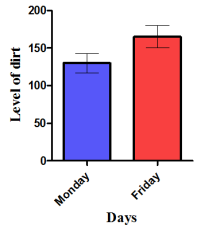
The cleanliness of the delivery boxes was assessed through the visual inspection at the point where the time the swaps being taken. The boxes were inspected both internally and externally and observed for the presence of visible dirt, grease, food particles, or any signs of spillage or contamination. The rubrics used to evaluates the extent of cleanliness of the delivery boxes were as follows: 0 – 100: Dirty, 100 – 200: Very dirty, 200 – 300: Extremely dirty.
2.8. Statistical Analysis
The GraphPad Prism 5.0 software was used to analyze the data obtained from the quantitative assays. Sample means were tested for levels of significance using the One-way ANOVA tool at 95% confidence level. The differences in means were judge significant when the p value obtained from the statistical computation is lesser than alpha value of 0.05 (p<0.05) and not significant when the p value is greater than 0.05 (p>0.05). The relationship between the cleanliness of the delivery boxes and the mesophilic count were also determined.
3. Results
The microbial safety of the delivery boxes was assessed using both quantitative and qualitative indicators. The findings of this study showed that there are significant levels of bacterial and fungal contamination of the delivery boxes.
3.1. Total Aerobic Count
The results indicated no statistically significant difference (p > 0.05) in the mean mesophilic bacteria count of the delivery boxes at the beginning and close of the working week. The mean total mesophilic bacteria count of the delivery boxes were 5.68 Log CFU/cm2 and 6.03 Log CFU/cm2 for the beginning and end of the working week respectively (Table 1). The results of this study are higher than the observed values reported from other studies. Zulfakar et al observed lower mesophilic counts on food contact surfaces in residential college cafeterias at a local university in Malaysia. Çetin et al also found mesophilic bacterial counts ranging from 10²CFU/cm2 on food contact surfaces. This shows varying levels of contamination in the different environments.
3.2. Coliform and Enterobacteriaceae Contaminants
The presence and level of Coliform and Enterobacteriaceae contaminants were also assessed as an index of microbial safety as some species within this family are known to be pathogenic and agents of disease transmission and spread. The assay established the presence of Coliforms in the delivery boxes of the food delivery personnel with mean counts of 5.23 Log CFU/cm2 and 6.33 Log CFU/cm2 at the beginning and close of the working week, respectively. Again, it was observed that the contamination levels increased at the close of the working week, however, this increase was not statistically significant (p > 0.05). Total coliform counts between 0.36 and 2.52 LogCFU/cm2 on food contact surfaces have been reported . These values are substantially lower than the counts observed in this study. Biranjia-Hurdoyal also indicated the presence of coliforms on kitchen tables in Canadian households.
The mean Enterobacteriaceae counts were between 3.70 and 3.94 LogCFU/cm2 at the start and close of week respectively (Table 1). According to the FAO, Enterobacteriaceae > 3 LogCFU/cm², on food contact surfaces is unacceptable. Touimi et al observed a maximum Enterobacteriaceae count of 5.26 LogCFU/cm² in their study. The mean Enterobacteriaceae count of the delivery boxes as obtained in this study appeared slightly high at the close of the working week as depicted in Table 1, however, this increase was not statistically significant (p > 0.05).
Faecal contamination of the delivery boxes was established as E. coli was detected with counts of 3.00 LogCFU/cm2 at the beginning of the week and 3.60 LogCFU/cm2 at the end of the week. The mean E. coli counts at the beginning and close of the working week did not differ significantly (p > 0.05). Mohammed et al. observed E. coli contamination on food contact surfaces in commercial restaurants while Biranjia-Hurdoyal observed the same from kitchen tables. No Salmonella species were detected in the delivery boxes sampled in this study.
S. aureus contamination was detected in the delivery boxes. The mean count at the beginning of the week was 3 LogCFU/cm2, which increased to 3.54 Log CFU/cm2 by the end of the week (Table 1), however not significantly (p > 0.05) (Table 1). S. aureus contamination (6.22 Log CFU/cm2) on food contact surfaces in restaurants has been reported . Biranjia-Hurdoyal also reported the presence of S. aureus on kitchen tables.
Table 1. Mean bacterial contamination levels found in delivery boxes.

Category

Mean Bacteria count, Log CFU/cm2 (Mean ± SEM)

TAC

Coliform

Enterobacteriaceae

E. coli

S. aureus

S. typhi

BW

5.68±0.26

5.23±0.31

3.70±0.21

3.00±0.25

3.00±0.28

ND

EW

6.03±0.34

6.33±0.43

3.94±0.22

3.60±0.24

3.54±0.20

ND

P value

0.23

0.78

0.28

0.17

0.22

Data presented as Mean Log CFU/cm2 ± Standard Error of Mean (SEM), Values are means of triplicates of 20 samples
TAC: Total Aerobic Count
BW: Beginning of the week
ED: End of week
3.3. Other Bacteria of Safety Significance
The characteristics and identity of the bacteria contaminants isolated from the delivery boxes were determined as an index of safety to ensure no extreme pathogen other than the targeted species (Staphylococcus aureus, Escherichia coli and Salmonella typhi) is colonizing the surfaces of the delivery boxes. The macromorphological characteristics of the isolated colonies presented with diverse features are presented in Table 2. A total of nine (9) unique isolates were obtained from the various media plates. Biochemical and microscopic assays carried out on the bacteria isolates indicated the presence of Bacillus sp., Staphylococcus sp., Acinetobacter, Streptococcus sp., and Pseudomonas sp., were also colonizing the delivery boxes assayed in the study (Table 3). Studies have shown that Bacillus species frequently contaminate food and food contact surfaces . The presence of Acinetobacter in food-related environments is less common however, these bacteria can survive on various surfaces, including food contact materials, particularly in environments with poor hygiene. Pseudomonas sp have been isolated from kitchen tables. Their presence is common in wet environments and on surfaces that are frequently exposed to moisture . The Gram-negative bacteria isolates were further identified using the Analytical Profile Index (API) identification and were confirmed to be Pseudomonas stutzeri (Table 4).
Table 2. Macromorphological characteristics of bacteria isolates from motorbike delivery boxes

Opacity

Shape

Size

Colour

Margin

Elevation

Opaque

Circular

Small

White

Even

Flat

6 (67%)

6 (67%)

13 (52%)

2(22%)

6 (67%)

6(67%)

Translucent

Irregular

Medium

Yellow

Undulate

Raised

3 (33%)

3 (33%)

8 (32%)

2 (22%)

3 (33%)

3(33%)

Cream

5 (56%)

9 (100%)

9 (100%)

9 (100%)

9 (100%)

9 (100%)

9 (100%)

Table 3. Biochemical and Microscopic Identification of Bacteria Isolates.

Triple Sugar Iron

Microscopy (Gram staining)

Isolate

T1

T2

T3

Glu

Lac

Suc

H2S

Gas

Shape

Order

Reaction

Inference

P1

+

+

-

-

-

-

-

-

Rods

Singular

Positive

Bacillus

P2

+

+

+

-

-

-

-

-

Circular

Cluster

Positive

Staphylococcus

P3

+

+

+

+

-

-

-

-

Circular

Singular

Positive

Acinetobacter

P4

+

+

+

+

-

-

+

-

Circular

Cluster

Positive

Staphylococcus

P5

+

+

-

+

-

-

+

-

Circular

Singular

Positive

Acinetobacter

P6

+

+

+

+

-

-

-

-

Circular

Cluster

Positive

Staphylococcus

P7

-

+

-

+

-

-

-

-

Circular

Chains

Positive

Streptococcus

V8

+

+

+

+

-

-

-

-

Rods

Singular

Negative

Pseudomonas

V9

+

+

+

+

-

-

-

-

Rods

Pairs

Negative

Pseudomonas

T1 – Catalase, T2 – Oxidase, T3 – Citrate, Glu – Glucose, Lac – Lactose, Suc – Sucrose, H2S – Hydrogen sulphide,
Table 4. Identification of Gram-negative bacteria isolates from motorbike delivery boxes.

Isolate

Code

% ID

T

Identity

V8

0004654

87.1

0.44

Pseudomonas stutzeri

V9

0044654

99.6

0.69

Pseudomonas stutzeri

3.4. Fungal Contamination
The presence of fungal contaminants were also considered in this study and the outcome did confirm the existence of some yeast and mould in the delivery boxes (Table 5).
The yeast and mould counts of the delivery boxes did not differ significantly (p > 0.05) when compared at the beginning of the working week to the end of week (Table 5). The yeast counts were 2.82 Log CFU/cm2 and 3.88 Log CFU/cm2 for the beginning and end of week respectively. The mould were 2.75 and 2.72 Log CFU/cm2 respectively.
Table 5. Yeast and Mould count of delivery boxes of motorbike delivery services in Accra.

Category

Mean Fungal count, Log CFU/cm2 (Mean ± SEM)

Yeast

Mould

BW

2.82± 0.07

2.75± 0.05

EW

3.88± 0.04

2.92 ±0.04

P value

0.0006

0.432

Data presented as Mean Log CFU/cm2 ± Standard Error of Mean (SEM), Values are means of triplicates of 20 samples
BW: Beginning of week;
ED: End of week
The macroscopic and microscopic details of the yeast and mould isolates indicated the yeast to be Saccharomyces cerevisiae and Rhodotorula rubra, whereas the moulds were identified to be Aspergillus niger and Penicillium species. S. cerevisiae are particularly present on food contact surfaces in bakeries and breweries, where it often persisted due to its ability to thrive in sugary environments . R. rubra is found on food processing equipment and surfaces in moist environments, such as dairy and fruit processing plants whiles A. niger contamination is associated with grains, nuts, or fruits . Penicillium species are common contaminants on food contact surfaces, particularly in environments where dairy products, fruits, and vegetables were handled .
3.5. Sanitary Condition of Delivery Boxes
Results on the cleanliness of the delivery boxes indicated that the delivery boxes of the motorbikes were generally very dirty (Figure 2). There was no statistically significant difference (p = 0.054) in the state of cleanliness of the delivery boxes at the beginning and end of the week.
There was a strong positive correlation (r=0.6362) between the degree of dirt and level of mesophilic bacteria contamination of the delivery boxes at the beginning of the week and at the close of the week (r=0.6893) (Figure 3).
[0 – 100: Dirty, 100 – 200: Very dirty, 200 – 300: Extremely dirty]

Download: Download full-size image

Figure 2. Sanitary condition of delivery boxes of motor bike delivery service providers in Accra.
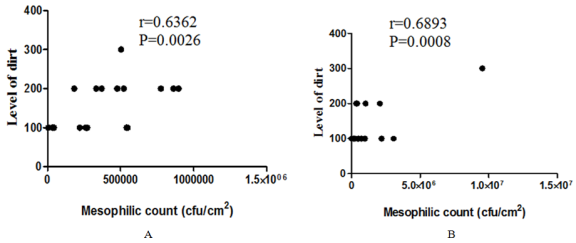
Figure 3. Correlation between sanitary state and level of mesophilic bacterial contamination of delivery boxes of motorbike delivery service providers in Accra at the beginning (A) and end (B) of the week.

4. Discussion
The delivery boxes are key components of the delivery system operated by food delivery service providers as they serve as the means of carriage and holding for the items delivered. These items are varied and include clothing, electronics, artefacts, cosmetics, stationary and most importantly food. The items being delivered can either pick up biological contaminants from the delivery boxes, thus becoming contaminated or act as the source of contamination to the delivery boxes. The consumer at the receiving end is exposed to the risk of microbial contamination and infection .
The findings of this study indicate that the level of microbial contamination of the delivery boxes exceeds the safe and acceptable limit of 1 to 3 Log CFU/ cm2 for food contact surfaces . The mesophilic bacteria count in this study was generally higher than what was observed by other researchers indicating inadequate cleaning. This could be a concern, especially if pathogenic bacteria are present. The high mesophilic bacteria count recorded in the study can be attributed to poor sanitary and hygiene practices adopted by the service providers and operators. The expectation was that the delivery boxes are cleaned during the weekends in preparation for the weeks activities, thus a better microbial and sanitary state would be achieved at the beginning of the week. However, the outcome of the study proved otherwise as the results indicated no statistically significant difference (p > 0.05) in the levels of contamination at the beginning and end of the week (Table 1). This assertion is based on the observation made in this study where the mesophilic count was slightly lesser at the beginning of the week (Table1) indicating some form of decontamination occurs over the weekends but is not effective, suggesting the need for an enhanced cleaning protocol by food delivery personnel for improved hygiene practices. Regular cleaning and disinfection of food transport containers to prevent high levels of microbial contamination has been recommended. It is obvious cleaning of the food boxes did not follow the standard protocol of washing and sanitising. Sanitisation after cleaning has been useful in drastically reducing the microbial levels of surfaces .
The detection of some Coliforms and Enterobacteriaceae in the swabs from the delivery boxes is an issue of public health concern as organisms belonging to this class are known to be pathogenic and agents of food related infections as well as other diseases . The high contamination levels recorded in this study goes to enforce the poor hygienic state and practices of the food personnel in Accra. Foods and other items being transported for delivery in these boxes have a potential and risk of contamination from these pathogens and contagions, thus can be easily transferred to customers who patronize such services in the highly urbanized population of Accra.
The presence of Enterobacteriaceae in food or on food contact surfaces is often used as an indicator of faecal contamination. High levels suggest that hygiene practices are inadequate and that there is a higher risk of pathogenic contamination. E coli is one of the Enterobacteeriaceae with pathogenic strains. High E. coli levels indicate faecal contamination, which poses a serious risk of foodborne illnesses, including gastroenteritis and other infections .
Salmonella is a leading cause of foodborne illness globally, often resulting in salmonellosis, which can cause severe gastrointestinal issues, fever, and occasionally more serious complications like bacteremia or septicemia . The absence of Salmonella in the tested delivery boxes indicates a lower risk of transmission through the food delivery system. This finding is crucial, as Salmonella infections can have severe consequences, particularly for vulnerable groups such as young children, the elderly, and those with weakened immune systems.
The high levels of S. aureus is as a result of frequent handling of the delivery boxes. S. aureus is part of the normal flora of the human skin and mucous membranes. Approximately 20-30% of people are persistent carriers of S. aureus, while 60% are intermittent carriers .The frequent handling of the delivery boxes without proper hand washing, cleaning and disinfection of surfaces increase the S. aureus counts. S. aureus is a well-known cause of foodborne illness, through the production of enterotoxins . The high levels of contamination observed in the delivery boxes could pose a significant risk to consumers.
The presence of Bacillus sp. in delivery boxes is concerning because these bacteria can produce heat-resistant spores that may survive cooking processes and lead to food spoilage or foodborne illness . Acinetobacter sp. has also emerged as a pathogen of public health significance. Its presence in delivery boxes indicates potential hygiene issues and raises concerns about the possibility of antibiotic-resistant strains contaminating food products . The presence of Streptococcus sp. in delivery boxes could indicate contamination from human sources, such as handling by infected individuals or those carrying these bacteria asymptomatically . The detection of Pseudomonas species in delivery boxes is significant because these bacteria can cause food spoilage, particularly if the food remains in the delivery boxes for extended periods .
S. cerevisiae and R. rubraon in the delivery boxes indicates potential contamination from food items, packaging materials or poor hygiene practices. As they are not typically pathogenic, they can affect product quality. In delivery boxes, A. niger and Penicillium could be introduced through cross-contamination from food products or environmental exposure, particularly in boxes that are not properly cleaned or dried between uses. The presence of A. niger and Penicillium are significant because they can produce mycotoxins, which are harmful to human health if ingested in contaminated food.
The microbial quality of the food delivery boxes sampled indicates that there can be potential transfer of contaminants to the food being delivered. There is a need for cleaning and sanitation between uses. This cross-contamination risk is high as most of the delivery personnel transport both food and non-food items . Vulnerable member of the community such as the convalescences, children, pregnant women and the elderly are at a higher risk of food borne infection and intoxication when patronizing these food delivery services. This will impact the convenience and food accessibility to these service providers seek to offer. There is the need for periodic spot check to ensure regulatory compliance of the sanitary food transportation by these delivery personnel. Food service providers who use the delivery personnel as their third party agents are to ensure they comply with the basic sanitary requirement to prevent negative meal experiences by consumer.
5. Conclusion
The food delivery boxes by food delivery service providers have microbial contamination of public health concern. Generally, the delivery boxes sampled are in unsanitary conditions and potential sources of Staphylococcus aureus, Bacillus sp., Pseudomonas sp., Acinetobacter sp., Pseudomonas sp., Escherichia coli, A. niger and S. cerevisiae contamination to patrons. The levels of contamination of the delivery boxes at the beginning of the week and the end of week were the same. Indicating that the cleaning methods used by the delivery personnel do not effectively decontaminate the delivery boxes. Stakeholder effort is required to train, regulate and monitor the food delivery service providers to ensure safe transportation of food.
Abbreviations

API

Analytical Profile Index

BW

Beginning of Week

EW

End of the Week

MA

MacConkey Agar

MSA

Mannitol Salt Agar

PCA

Plate Count Agar

PDA

Potato Dextrose Agar

VRBGA

Violet Red Bile Glucose Agar

XLD

Xylose Lysine Deoxycholate

Author Contribution
Doreen Dedo Adi is the sole author. The author read and approved the final manuscript.
Conflicts of Interest
The author declares no conflicts of interest.
References
[1] Tamakloe, R., Zhang, K., Atandzi, J., & Park, D. (2024). Examining urban delivery service user profiles and determinants of drone delivery adoption in Ghana considering usage before and after the COVID-19 pandemic. Transport Policy, 146, 279-294.
[2] Li, C., Mirosa, M., & Bremer, P. (2020). Review of online food delivery platforms and their impacts on sustainability. Sustainability, 12(14), 5528.
[3] Mfon, A., & Uford, I. C. (2022). Consumer preference survey of de choice fast food in uyo metropolis, Akwa Ibom State, Nigeria. British Journal of Marketing Studies, 10(2), 13-34.
[4] Gargiulo, A. H., Duarte, S. G., Campos, G. Z., Landgraf, M., Franco, B. D., & Pinto, U. M. (2022). Food safety issues related to eating in and eating out. Microorganisms, 10(11), 2118.
[5] Thamaraiselvan, N., Jayadevan, G. R., & Chandrasekar, K. S. (2019). Digital food delivery apps revolutionizing food products marketing in India. International Journal of Recent Technology and Engineering, 8(2), 662-665.
[6] Milkman, R., Elliott-Negri, L., Griesbach, K., & Reich, A. (2021). Gender, class, and the gig economy: The case of platform-based food delivery. Critical Sociology, 47(3), 357-372.
[7] Xie, J., Xu, Y., & Li, H. (2021). Environmental impact of express food delivery in China: the role of personal consumption choice. Environment, development and sustainability, 23, 8234-8251.
[8] Ubaidillah, U., Cakrawala, B., & Yaningsih, I. (2023). Food Delivery Box by Utilizing Exhaust Gas from Motorcycle Engine Combustion. International Journal of Heat & Technology, 41(3).
[9] Filippini, F. (2021). Sustainability in the last mile online food delivery: an important contribution using the case study of “Glovo”.
[10] Zarmani, N. F., Zulkarnain, A. S., & Tumiran, M. A. (2024). Food Delivery: Issues And Recommendation Towards Its Halal Supply Chain. al-Qanatir: International Journal of Islamic Studies, 33(4), 146-158.
[11] Yang, F. X., Li, X., Lau, V. M. C., & Zhu, V. Z. (2021). To survive or to thrive? China’s luxury hotel restaurants entering O2O food delivery platforms amid the COVID-19 crisis. International journal of hospitality management, 94, 102855.
[12] Ramos, K. (2022). Factors influencing customers' continuance usage intention of food delivery apps during COVID-19 quarantine in Mexico. British Food Journal, 124(3), 833-852.
[13] Kamboj, S., Gupta, N., Bandral, J. D., Gandotra, G., & Anjum, N. (2020). Food safety and hygiene: A review. International journal of chemical studies, 8(2), 358-368.
[14] Ghezzi, S., & Ayoun, B. (2013). Food safety in the US catering industry: empirical findings. International Journal of Contemporary Hospitality Management, 25(3), 365-382.
[15] Insfran-Rivarola, A., Tlapa, D., Limon-Romero, J., Baez-Lopez, Y., Miranda-Ackerman, M., Arredondo-Soto, K., & Ontiveros, S. (2020). A systematic review and meta-analysis of the effects of food safety and hygiene training on food handlers. Foods, 9(9), 1169.
[16] Acheampong, R. A. (2021). Accra: City scoping study. African Cities Research Consortium. 1-11.
[17] Taulo, S., Wetlesen, A., Abrahamsen, R., Mkakosya, R., & Kululanga, G. (2008). Microbiological quality of water, associated management practices and risks at source, transport and storage points in a rural community of Lungwena, Malawi. Afr. J. Microbiol. Res, 22, 131-137.
[18] Degaga, B., Sebsibe, I., Belete, T., & Asmamaw, A. (2022). Microbial quality and safety of raw vegetables of Fiche Town, Oromia, Ethiopia. Journal of environmental and public health, 2022(1), 2556858.
[19] Kebede, M. T., & Getu, A. A. (2023). Assessment of bacteriological quality and safety of raw meat at slaughterhouse and butchers’ shop (retail outlets) in Assosa Town, Beneshangul Gumuz Regional State, Western Ethiopia. BMC microbiology, 23(1), 403.
[20] Tzamourani, A., Kalogri, G., Kavvatha, M., Kochila, A., Manthou, E., Liu, Y., & Panagou, E. Z. (2024). Inoculated fermentation of cv. Conservolea natural black olives with multifunctional starter cultures in reduced-sodium brines. International Journal of Food Science & Technology, 59(6), 4093-4108.
[21] Habib, F., Rind, R., Durani, N., Bhutto, A. L., Buriro, R. S., Tunio, A., ... & Shoaib, M. (2015). Morphological and cultural characterization of Staphylococcus aureus isolated from different animal species. Journal of Applied Environmental and Biological Sciences, 5(2), 15-26.
[22] Ncoko, P., Jaja, I. F., & Oguttu, J. W. (2020). Microbiological quality of beef, mutton, and water from different abattoirs in the Eastern Cape Province, South Africa. Veterinary world, 13(7), 1363.
[23] Ogodo, A. C., Agwaranze, D. I., Daji, M., & Aso, R. E. (2022). Microbial techniques and methods: basic techniques and microscopy. In Analytical Techniques in Biosciences (pp. 201-220). Academic Press.
[24] AL-Joda, B. M. S., & Jasim, A. H. (2021). Biochemical testing revision for identification several kinds of bacteria. Journal of University of Babylon for Pure and Applied Sciences, 29(2), 168-176.
[25] MacArthur, R. L., Teye, E., & Darkwa, S. (2021). Microbial contamination in palm oil selected from markets in major cities of Ghana. Heliyon, 7(7).
[26] Zaidi, S., Vats, M., Kumar, N., Janbade, A., & Gupta, M. K. (2022). Evaluation of food packaging paper for microbial load and storage effect on the microbial activity of paper. Packaging Technology and Science, 35(7), 569-577.
[27] Muche, N., Geremew, T., & Jiru, T. M. (2023). Isolation and characterization of potential probiotic yeasts from Ethiopian injera sourdough. 3 Biotech, 13(9), 300.
[28] Arifah, F., Aini, L. Q., & Muhibuddin, A. (2023). Molecular and morphological characterization of fungi isolated from nutmeg (Myristica fragrans) in North Sulawesi, Indonesia. Biodiversitas Journal of Biological Diversity, 24(1).
[29] Zulfakar, S. S., Abu Hassan, M. F., & Abu Bakar, N. F. (2019). Microbiological Assessment of Selected Laboratories at a Local University in Malaysia. Jurnal Sains Kesihatan Malaysia, 17, 119-126. http://dx.doi.org./10.17576/JSKM-2019-14
[30] Çetin, Ö., Kahraman, T., & Büyükünal, S. K. (2006). Microbiological evaluation of food contact surfaces at red meat processing plants in Istanbul, Turkey. Italian journal of animal science, 5(3), 277-283.
[31] Biranjia-Hurdoyal, S., & Latouche, M. C. (2016). Factors affecting microbial load and profile of potential pathogens and food spoilage bacteria from household kitchen tables. Canadian Journal of Infectious Diseases and Medical Microbiology, 2016(1), 3574149.
[32] FAO. Food hygiene basic texts. FAO, Rome. 1997: 14–32
[33] Touimi, G. B., Bennani, L., Berrada, S., Benboubker, M., & Bennani, B. (2019). Evaluation of hygienic conditions of food contact surfaces in a hospital kitchen in Morocco. Iranian Journal of Microbiology, 11(6), 527.
[34] Mohammed, S. S., Ayansina, A. D. V., Mohammed, S. R., Oyewole, O. A., & Shaba, A. M. (2018). Evaluation of food contact surfaces in selected restaurants of Kaduna State University for the presence of Escherichia coli and Staphylococcus aureus. Science world journal, 13(3), 45-49.
[35] Alhazmi, M. I. (2015). Isolation of Aeromonas spp. from food products: emerging Aeromonas infections and their significance in public health. Journal of AOAC international, 98(4), 927-929.
[36] Frank, J. F. (2001). Microbial attachment to food and food contact surfaces. Advances in Food and Nutrition Research. 43: 319-370.
[37] Iurlina, M. O., Saiz, A. I., Fuselli, S. R., & Fritz, R. (2006). Prevalence of Bacillus spp. in different food products collected in Argentina. LWT-Food Science and Technology, 39(2), 105-110.
[38] Maes, S., Heyndrickx, M., Vackier, T., Steenackers, H., Verplaetse, A., & De Reu, K. (2019). Identification and spoilage potential of the remaining dominant microbiota on food contact surfaces after cleaning and disinfection in different food industries. Journal of Food Protection, 82(2), 262-275.
[39] Posteraro, B., Quaranta, G., Posteraro, K. & Sanguinetti, M. (2018). Saccharomyces cerevisiae. In D. Liu (Ed.) Handbook of foodborne diseases. CRC Press.
[40] Tournas, V. H., Heeres, J., & Burgess, L. (2006). Moulds and yeasts in fruit salads and fruit juices. Food microbiology, 23(7), 684-688.
[41] Yadav, S., Manjunatha, K. H., Ramachandra, B., Suchitra, N., & Prabha, R. (2014). Characterization of pigment producing rhodotorula from dairy environmental samples. Asian Journal of Dairying & Foods Research, 33(1), 1-4.
[42] Olagunju, O., Mchunu, N., Venter, S., Guibert, B., Durand, N., Metayer, I., ... & Ijabadeniyi, O. (2018). Fungal contamination of food commodities in Durban, South Africa. Journal of Food Safety, 38(6), e12515.
[43] Mostafidi, M., Sanjabi, M. R., Shirkhan, F., & Zahedi, M. T. (2020). A review of recent trends in the development of the microbial safety of fruits and vegetables. Trends in Food Science & Technology, 103, 321-332.
[44] Sabuj, A. A. M., Haque, Z. F., Younus, M. I., Pondit, A., Barua, N., Hossain, M. G., ... & Saha, S. (2020). Microbial risk assessment of ready-to-eat fast foods from different street-vended restaurants. s, Int. J. One Health, 6(1): 41-48
[45] Nizar, N. N. A., & Abidin, S. A. S. Z. (2021). Online Food Delivery Services: Make or Break the Halal Supply Chain? Journal of Food and Pharmaceutical Sciences, 384-394.
[46] Sagoo, S. K., Little, C. L., Griffith, C. J., & Mitchell, R. T. (2003). Study of cleaning standards and practices in food premises in the United Kingdom. Communicable Disease and Public Health, 6(1), 6-17.
[47] ISO. (2006). ISO 4832:2006: Microbiology of food and animal feeding stuffs — Horizontal method for the enumeration of coliforms — Colony-count technique. International Organization for Standardization.
[48] Baidya, S., & Rahman, T. (2021). A Review on the prevalence and Detection of Bacterial contamination in Common Food and Associated Health Risk (Doctoral dissertation, Brac University).
[49] Shaibu, A. O., Okolocha, E. C., Maikai, B. V., & Olufemi, O. T. (2021). Isolation and antibiogram of Salmonella species from slaughtered cattle and the processing environment in Abuja abattoirs, Nigeria. Food Control, 125, 107972.
[50] Percival, S. L &Williams, W. D. (2014). Aeromonas. In Microbiology of Waterborne Diseases (Second Edition) Microbiological Aspects and Risks. Academic Press. Page 49 64
[51] Eifert, J. D., & National Advisory Committee on Microbiological Criteria for Foods. (2022). Microbiological testing by industry of ready-to-eat foods under FDA’s jurisdiction for pathogens (or appropriate indicator organisms): Verification of preventive controls. Journal of Food Protection, 85(11), 1646–1666
[52] Ehuwa, O., Jaiswal, A. K., & Jaiswal, S. (2021). Salmonella, food safety and food handling practices. Foods, 10(5), 907.
[53] Aryee, A., & Edgeworth, J. D. (2017). Carriage, clinical microbiology and transmission of Staphylococcus aureus. Staphylococcus aureus: Microbiology, Pathology, Immunology, Therapy and Prophylaxis, 1-19.
[54] Bhunia, A. K. (2018). Foodborne microbial pathogens: mechanisms and pathogenesis. Springer. 181-192.
[55] Kanaan, J., Murray, J., Higgins, R., Nana, M., DeMarco, A. M., Korza, G., & Setlow, P. (2022). Resistance properties and the role of the inner membrane and coat of Bacillus subtilis spores with extreme wet heat resistance. Journal of Applied Microbiology, 132(3), 2157-2166.
[56] Carvalheira, A., Silva, J., & Teixeira, P. (2021). Acinetobacter spp. in food and drinking water–A review. Food Microbiology, 95, 103675.
[57] Brouwer, S., Rivera-Hernandez, T., Curren, B. F., Harbison-Price, N., De Oliveira, D. M., Jespersen, M. G., ... & Walker, M. J. (2023). Pathogenesis, epidemiology and control of Group A Streptococcus infection. Nature Reviews Microbiology, 21(7), 431-447.
[58] Alegbeleye, O., Odeyemi, O. A., Strateva, M., & Stratev, D. (2022). Microbial spoilage of vegetables, fruits and cereals. Applied Food Research, 2(1), 100122.
[59] Adi, S. B., Adi, D. D., Acquah-Mensah, J., Asare, C. Y., Akubia, Y. M. and Fagbemi, E. O. (2024) Food Safety and Road Safety Implications of Delivery Rider Practices in Accra, Ghana. Open Access Library Journal, 11: e12170.
Cite This Article
  • APA Style

    Adi, D. D. (2024). Assessment of the Microbial Contamination of Delivery Boxes of Food Delivery Personnel in Accra. International Journal of Nutrition and Food Sciences, 13(5), 227-238. https://doi.org/10.11648/j.ijnfs.20241305.18

    Copy | Download

    ACS Style

    Adi, D. D. Assessment of the Microbial Contamination of Delivery Boxes of Food Delivery Personnel in Accra. Int. J. Nutr. Food Sci. 2024, 13(5), 227-238. doi: 10.11648/j.ijnfs.20241305.18

    Copy | Download

    AMA Style

    Adi DD. Assessment of the Microbial Contamination of Delivery Boxes of Food Delivery Personnel in Accra. Int J Nutr Food Sci. 2024;13(5):227-238. doi: 10.11648/j.ijnfs.20241305.18

    Copy | Download

  • @article{10.11648/j.ijnfs.20241305.18,
      author = {Doreen Dedo Adi},
      title = {Assessment of the Microbial Contamination of Delivery Boxes of Food Delivery Personnel in Accra
    },
      journal = {International Journal of Nutrition and Food Sciences},
      volume = {13},
      number = {5},
      pages = {227-238},
      doi = {10.11648/j.ijnfs.20241305.18},
      url = {https://doi.org/10.11648/j.ijnfs.20241305.18},
      eprint = {https://article.sciencepublishinggroup.com/pdf/10.11648.j.ijnfs.20241305.18},
      abstract = {Food delivery services have contributed to the food security of its patrons by making ready-to-eat food more accessible. However, sanitary conditions under which food is delivered can threaten this security. This study evaluated the delivery boxes' microbial contamination as an index of hygiene compliance of the delivery personnel. Swaps were taken from the delivery boxes of twenty (20) conveniently sampled food delivery personnel at the beginning and the end of the week. The microbial contamination of the boxes was determined using standard methods. The cleanliness of the boxes was qualitatively evaluated with the aid of an observation guide. The mean ranges of total aerobic count (5.61 – 6.03 LogCFU/cm2), coliforms (5.23 – 6.33 LogCFU/cm2), Escherichia coli (3.00 – 3.60 LogCFU/cm2) and Staphylococcus aureus (3.00 – 3.554 LogCFU/cm2) counts were higher than the acceptable safe limits. The microbial loads were lower at the beginning of the week than at the end of the week; however, the differences were not statistically significant (p > 0.05). The microbes identified were indicative of human and faecal contamination and poor hygiene by the personnel. The delivery boxes sampled are unsanitary for food transportation, therefore, training and regulatory enforcement are vital to improve hygienic compliance of the food delivery personnel and to ensure consumer protection.
    },
     year = {2024}
    }
    

    Copy | Download

  • TY  - JOUR
    T1  - Assessment of the Microbial Contamination of Delivery Boxes of Food Delivery Personnel in Accra
    
    AU  - Doreen Dedo Adi
    Y1  - 2024/10/31
    PY  - 2024
    N1  - https://doi.org/10.11648/j.ijnfs.20241305.18
    DO  - 10.11648/j.ijnfs.20241305.18
    T2  - International Journal of Nutrition and Food Sciences
    JF  - International Journal of Nutrition and Food Sciences
    JO  - International Journal of Nutrition and Food Sciences
    SP  - 227
    EP  - 238
    PB  - Science Publishing Group
    SN  - 2327-2716
    UR  - https://doi.org/10.11648/j.ijnfs.20241305.18
    AB  - Food delivery services have contributed to the food security of its patrons by making ready-to-eat food more accessible. However, sanitary conditions under which food is delivered can threaten this security. This study evaluated the delivery boxes' microbial contamination as an index of hygiene compliance of the delivery personnel. Swaps were taken from the delivery boxes of twenty (20) conveniently sampled food delivery personnel at the beginning and the end of the week. The microbial contamination of the boxes was determined using standard methods. The cleanliness of the boxes was qualitatively evaluated with the aid of an observation guide. The mean ranges of total aerobic count (5.61 – 6.03 LogCFU/cm2), coliforms (5.23 – 6.33 LogCFU/cm2), Escherichia coli (3.00 – 3.60 LogCFU/cm2) and Staphylococcus aureus (3.00 – 3.554 LogCFU/cm2) counts were higher than the acceptable safe limits. The microbial loads were lower at the beginning of the week than at the end of the week; however, the differences were not statistically significant (p > 0.05). The microbes identified were indicative of human and faecal contamination and poor hygiene by the personnel. The delivery boxes sampled are unsanitary for food transportation, therefore, training and regulatory enforcement are vital to improve hygienic compliance of the food delivery personnel and to ensure consumer protection.
    
    VL  - 13
    IS  - 5
    ER  - 

    Copy | Download

Author Information
  • Abstract
  • Keywords
  • Document Sections

    1. 1. Introduction
    2. 2. Materials and Methods
    3. 3. Results
    4. 4. Discussion
    5. 5. Conclusion
    Show Full Outline
  • Abbreviations
  • Author Contribution
  • Conflicts of Interest
  • References
  • Cite This Article
  • Author Information